
Fiorini A. 2025, Scansioni dinamiche con il LiDAR di Apple: esperienze di rilievo archeologico (2021-2023), in S. Bertoldi, L. Luppino (eds.), Next-Gen Archaeology. Innovazioni e tradizioni tecnologiche per lo studio del passato. Atti delle Giornate di Studio “Archeologia e Nuove Tecnologie: dalla teoria ai protocolli esecutivi” (Siena, 25-27 ottobre 2023), «Archeologia e Calcolatori», Supplemento 13, 249-266 (https://doi.org/10.19282/acs.13.2025.18)
Copy to clipboard Download: BibTeXVolumes / Supplements / 13 / Fiorini
Scansioni dinamiche con il LiDAR di Apple: esperienze di rilievo archeologico (2021-2023)
«Archeologia e Calcolatori» 2025, Supplemento 13, 249-266; doi: 10.19282/acs.13.2025.18
Abstract
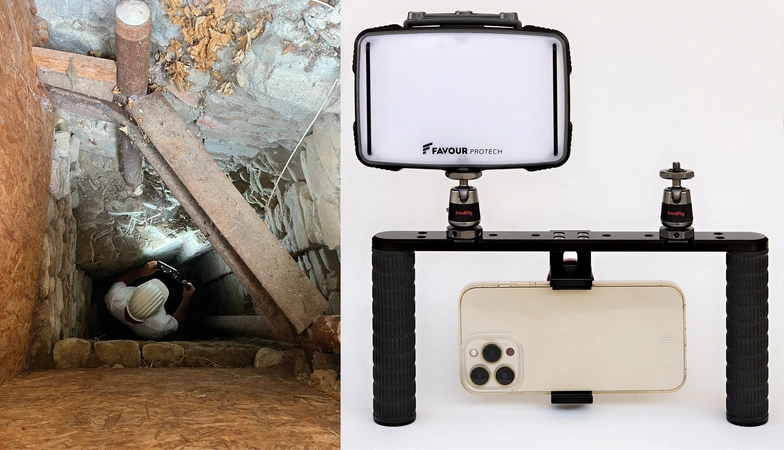
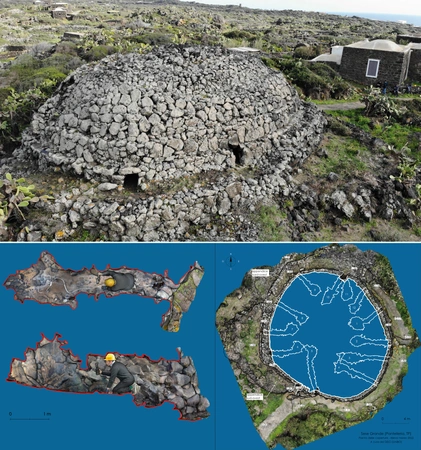
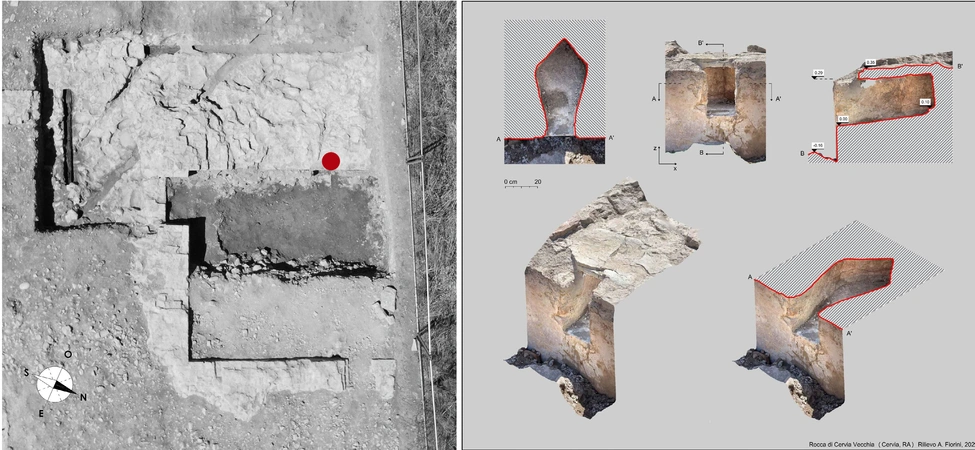
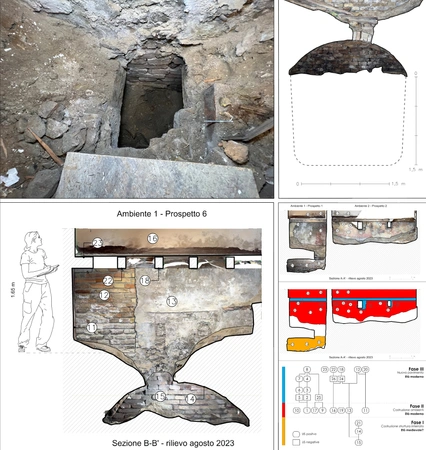
In recent years, Apple’s mobile phones and tablets have been equipped with a LiDAR sensor capable of measuring the three-dimensional position of objects and reconstructing their surfaces. Experiments with this sensor began in 2021 and the results were published in the 2022 issue (33.1) of «Archeologia e Calcolatori» (Fiorini 2022). This paper describes the functionality and limitations of the sensor and its use in archaeology, in particular for the documentation of standing structures. This article provides a detailed account of recent activities (2022-2023), preceded by a brief overview of the characteristics of the instrument and its first use in 2021. Tests have shown that the LiDAR sensor is indeed valuable for archaeological work, given its relatively low cost, ease of use and rapid data acquisition compared to other scanning systems. It has proved effective for documenting walls, architectural elements and surfaces, and for quickly creating floor plans and 3D models of small spaces (with a maximum range of about 5 metres). In addition, the LiDAR sensor was effective in complex operating conditions, such as underground environments or corridors with limited manoeuvring space and poor lighting. Further surveys conducted after the initial study confirm the effectiveness of the LiDAR sensor, particularly in these challenging scenarios.
Figures
Preview
Subjects:
Remote Sensing Documentation, conservation and restoration
Download (PDF)Publishers:
CNR - Istituto di Scienze del Patrimonio Culturale
Edizioni All'Insegna del Giglio
This website uses only technical cookies strictly necessary for its proper functioning. It doesn't perform any profiling and doesn't use third party cookies of any kind.
Read our privacy policy for additional information.
By clicking 'OK' or closing this banner you acknowledge having read this information and accept the website's contents.