
Volumes / Journal / 36.2 / Tescione

The resilience of ancient landscapes through the analysis of ceramic assemblages: the Campanian Plain as a case study

Teresa Tescione

«Archeologia e Calcolatori» 2025, 36.2, 263-275; doi: 10.19282/ac.36.2.2025.20

Abstract

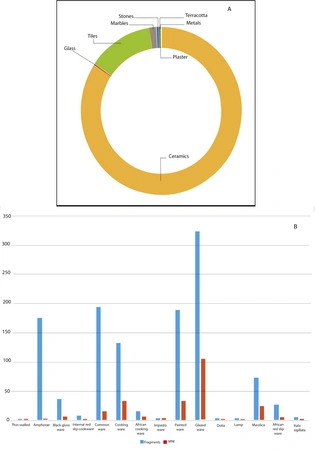
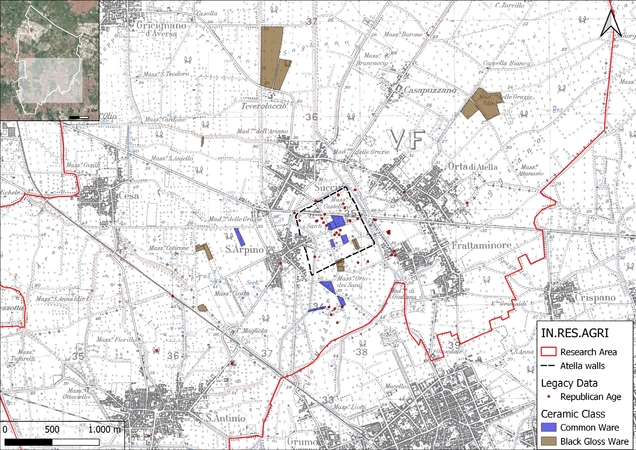
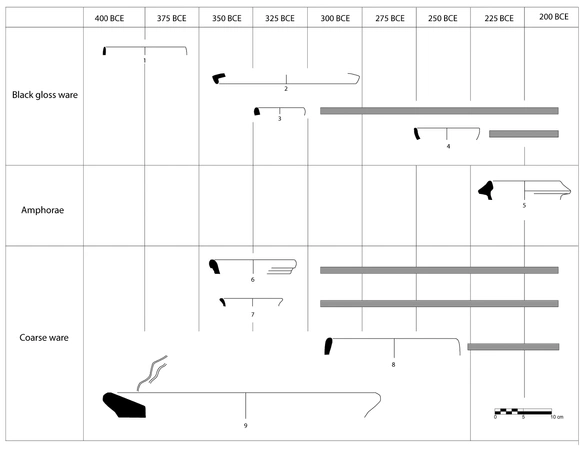
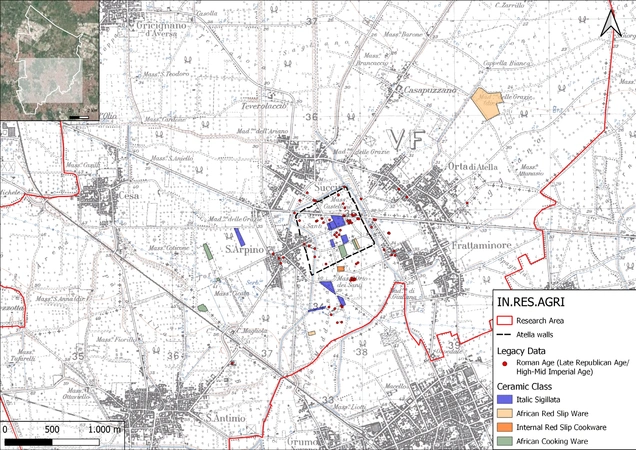
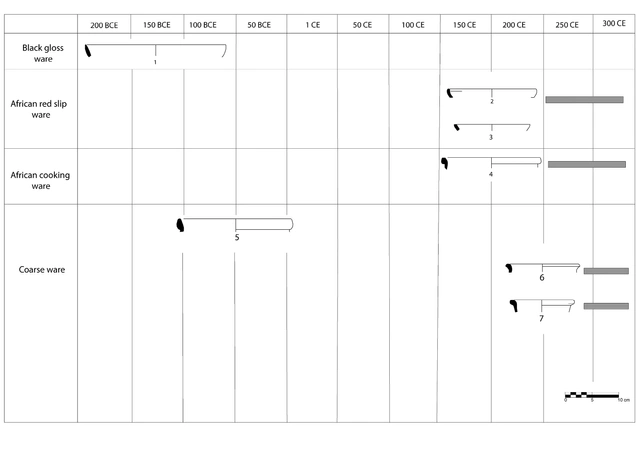
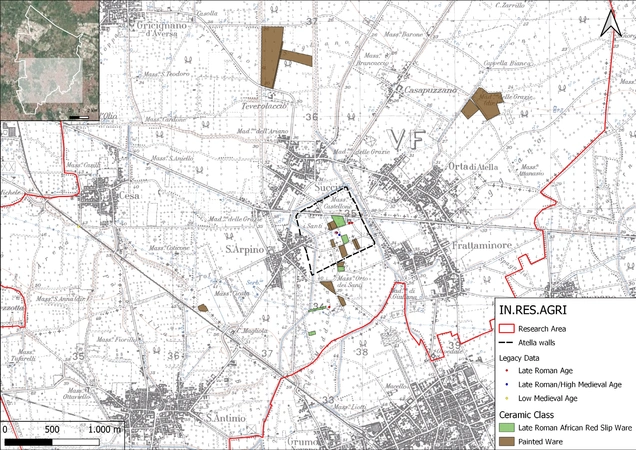
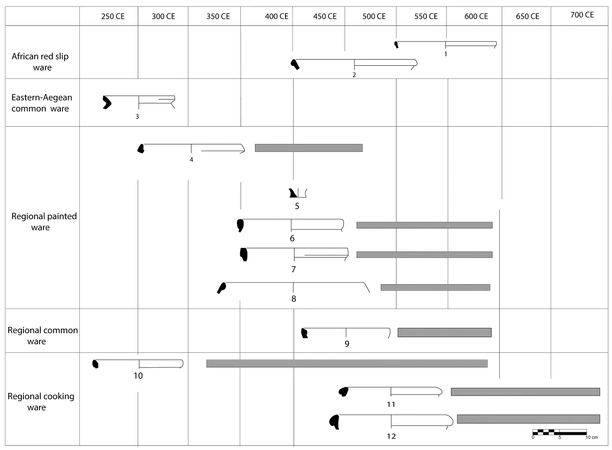
This paper examines the resilience of ancient landscapes by analyzing ceramic assemblages from the Atellan hinterland in the central Campanian Plain. Using a multidisciplinary approach based on historical ecology and resilience theory, the study examines how pottery reflects adaptive responses to environmental, climatic, and socioeconomic changes over a long period of time, from the Samnite age to the contemporary era. The ceramic record, collected during recent non-invasive surveys (2024-2025), includes over 1100 artifacts cataloged using the Digital Groma standards. The results suggest a substantial increase in rural settlement and agricultural activity between the fourth and third centuries BC, accompanied by evident integration into regional trade networks. Late Roman assemblages demonstrate continued vitality, challenging earlier hypothesis of urban decline. The presence of North African and eastern Mediterranean imports alongside local imitations highlights sustained economic activity and adaptability. Changes in cooking ware types, notably the increase in casseroles, may indicate dietary shifts related to climatic deterioration. The apparent absence of medieval phases, followed by the reappearance of modern ceramics, suggests discontinuities in settlement. Ultimately, ceramic evidence provides a valuable perspective for understanding long-term human-environment interactions, resilience strategies, and cultural transformations within the Atellan landscape in the longue durée.

Figures

Preview

Subjects:

GIS and cartography Classification of archaeological finds

Download (PDF)

Publishers:

CNR - Istituto di Scienze del Patrimonio Culturale

Edizioni All'Insegna del Giglio