
Longo R., Scirocco E. 2025, Fragmented objects/Fragmented data. Quantitative methods and digital approaches in the project Mapping Sacred Spaces: Forms, Functions, and Aesthetics in Medieval Southern Italy, in M. Pilutti Namer, A. Auconi, G. A. Bordi (eds.), Networks and Quantitative Methods in Archaeology and Art History: Essays from the Venice Symposium (5-6 December 2024), «Archeologia e Calcolatori», 36.2, 85-102 (https://doi.org/10.19282/ac.36.2.2025.08)
Copy to clipboard Download: BibTeXFragmented objects/Fragmented data. Quantitative methods and digital approaches in the project Mapping Sacred Spaces: Forms, Functions, and Aesthetics in Medieval Southern Italy
Ruggero Longo, Elisabetta Scirocco
«Archeologia e Calcolatori» 2025, 36.2, 85-102; doi: 10.19282/ac.36.2.2025.08
Abstract
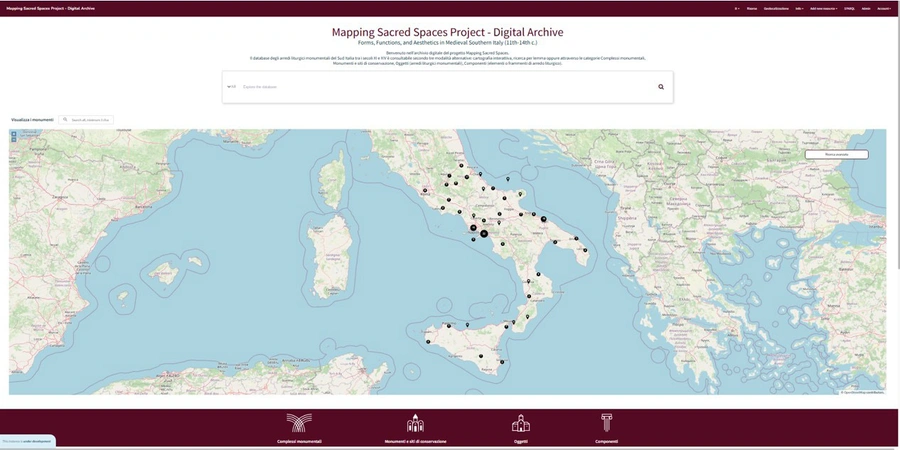
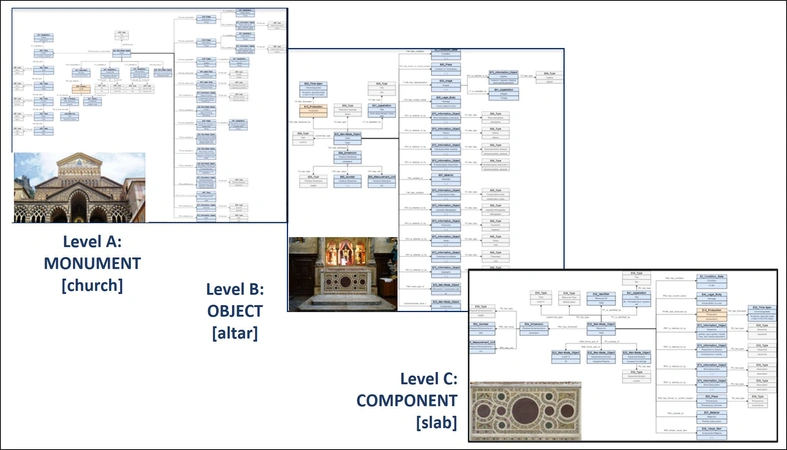
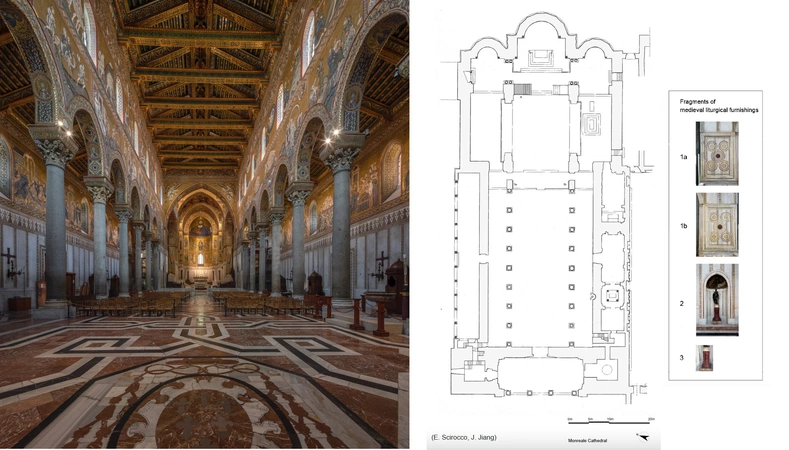
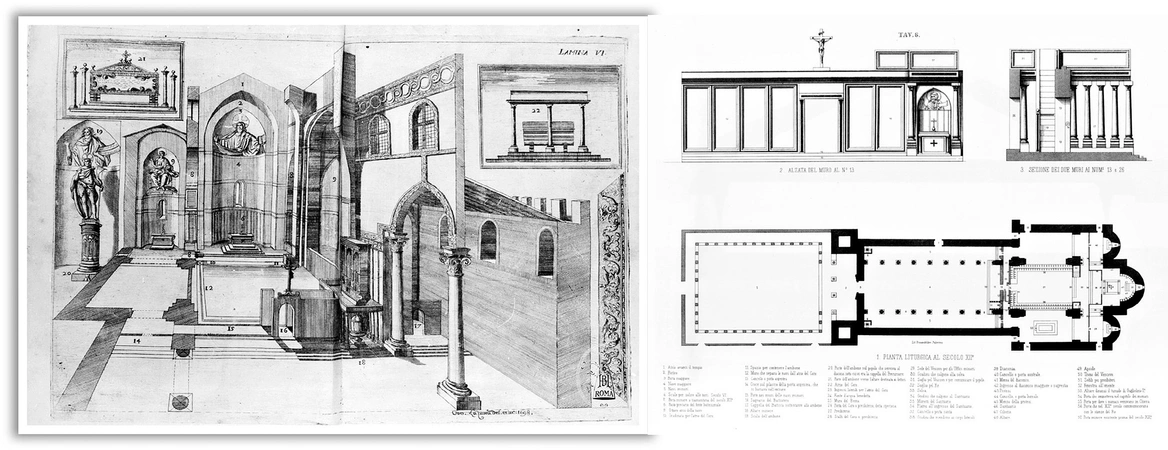
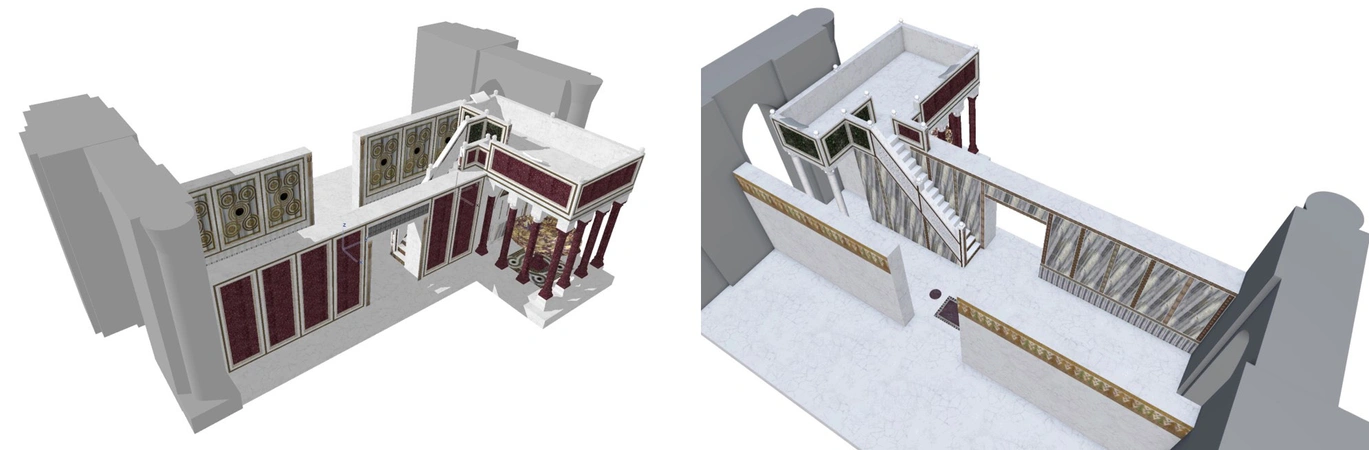
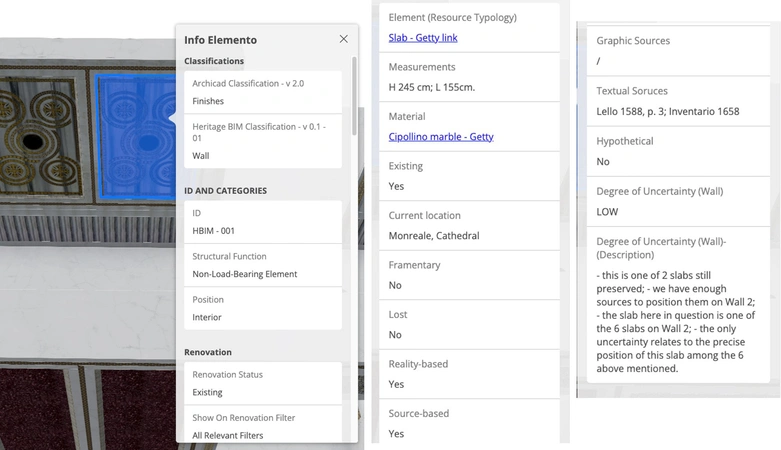
According to a traditional distinction, quantitative and qualitative research approaches are the exclusive domain of the hard sciences, the former, and the humanities, the latter. Taking as its starting point E. Panofsky’s reflections on the disciplinary status of Art History in relation to its method of investigation (1940), this paper aims to demonstrate the anachronism of the hierarchy between disciplines based on the adoption of quantitative or qualitative methods, in favour of a more transversal scientific methodology. Looking at Art History in particular, it is undeniable that the digital revolution has enabled and strongly stimulated quantitative approaches and at the same time fostered transdisciplinary collaborations between different scientific areas. Based on these premises, the article presents the research methodologies and some results of the project Mapping Sacred Spaces: Forms, Functions, and Aesthetics in Medieval Southern Italy, in which the management of a large amount of fragmentary data is addressed. These are either fragmented artistic artefacts scattered over a wide geography, to be analysed at different topographical scales, or a single case study to which a large number of sources and research materials are linked, requiring a systematic and simultaneous management of data. In particular, a preview of the digital archive of the project will be offered, while the preliminary reconstructive 3D model (realised with HBIM technology) of the choir screens and ambo of the Cathedral of Monreale (c. 1180) will be presented for the first time.
Figures
Preview
Subjects:
History of applications and research projects Cultural Resource Management
Download (PDF)Publishers:
CNR - Istituto di Scienze del Patrimonio Culturale
Edizioni All'Insegna del Giglio
This website uses only technical cookies strictly necessary for its proper functioning. It doesn't perform any profiling and doesn't use third party cookies of any kind.
Read our privacy policy for additional information.
By clicking 'OK' or closing this banner you acknowledge having read this information and accept the website's contents.